
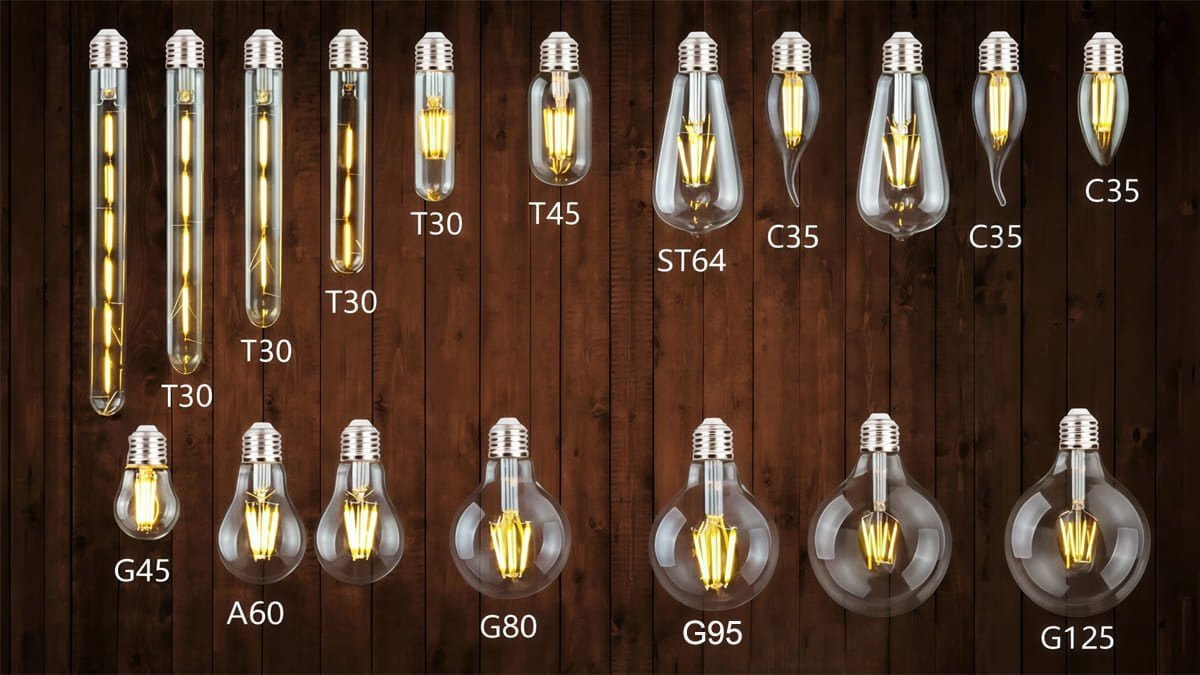
You look at a lighting catalog and feel overwhelmed by the codes. You worry about ordering the wrong products for your market. I will explain the naming system so you buy correctly.
LED bulbs use a specific code system where the letter describes the shape and the number indicates the diameter. In the US, the number represents eighths of an inch, while in Europe, the number represents millimeters. Understanding this ensures you select the correct bulb for every fixture.
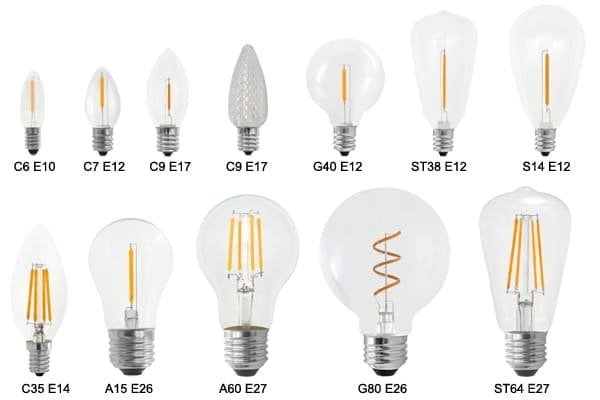
I know that these codes look like random passwords at first. But once you know the logic, the codes become a simple language. I will guide you through the specific meanings of the letters and numbers. Then I will compare the different standards used around the world.
Understanding the Basics: How LED Bulbs Are Named?
Shapes vary wildly in the lighting industry. Without a guide, you might pick a bulb that does not fit the socket. Let's fix that right now.
The naming code always follows a simple formula: Letter plus Number. The letter tells you the shape of the glass, and the number tells you the width of the bulb at its widest point.
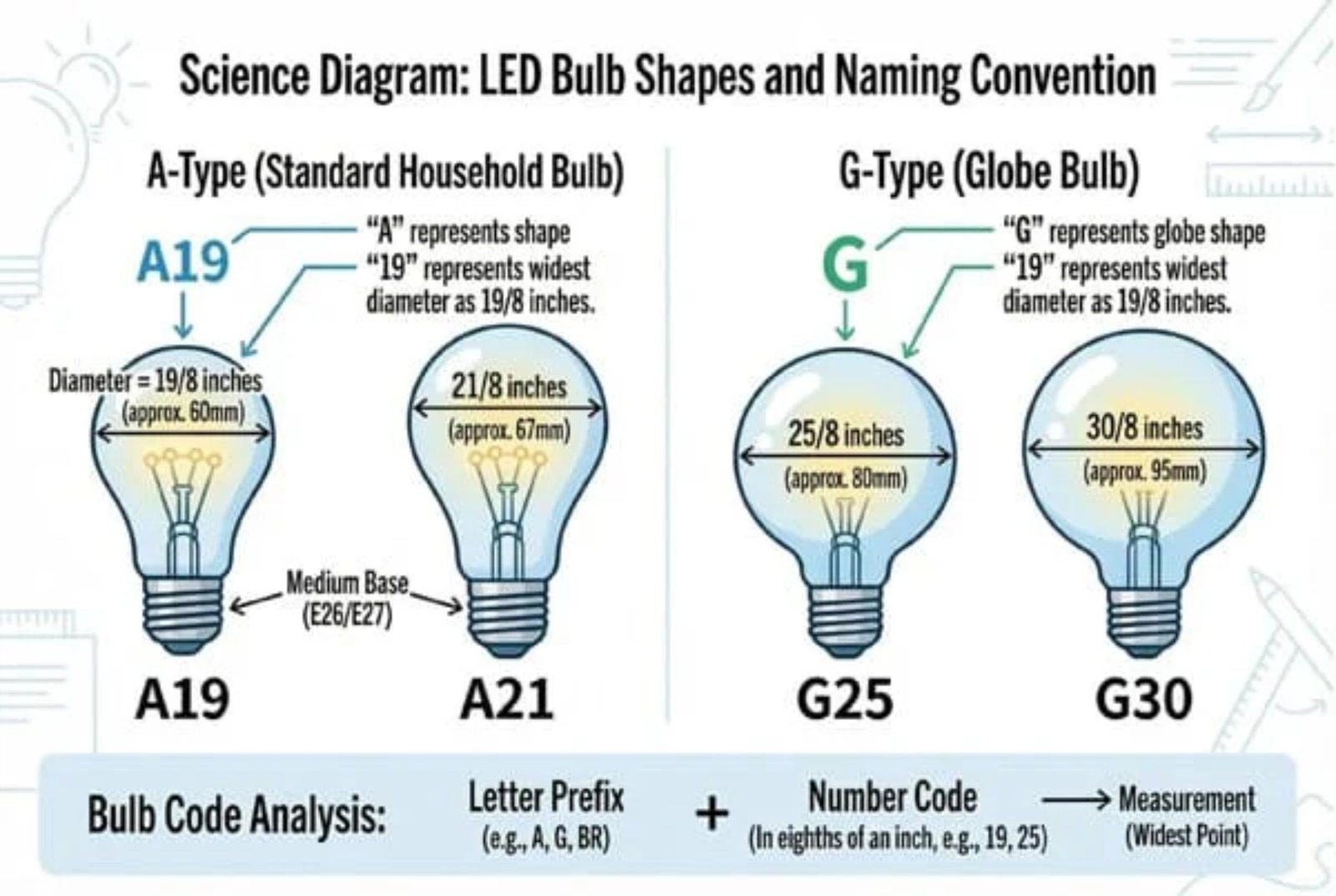
I have spent over ten years in the LED sales industry here in China. I see purchase orders every day. I notice that the naming system is the first hurdle for many new buyers. You must understand that the "Letter" refers to the physical appearance. For example, "A" stands for Arbitrary, which is the standard household bulb shape. "G" stands for Globe, which is round.
The "Number" is where people get confused. This number measures the diameter. In the US, this number is in eighths of an inch. So, a G40 bulb is a Globe shape that is 40/8 inches, or 5 inches in diameter. However, for smaller festive bulbs like the ones we manufacture at Miray, the industry standards can sometimes shift depending on the specific product line.
I have created this table to help you categorize the bulbs we see most often in commercial and residential projects:
| Bulb Type | Name Meaning | Typical Application | Common Examples |
|---|---|---|---|
| Type A | Arbitrary (Standard) | General household lamps | A15, A19, A21 |
| Type B | Blunt Tip (Candle) | Chandeliers, wall sconces | B10, B11 |
| Type C | Conical (Holiday) | Christmas strings, night lights | C7, C9, C35 |
| Type G | Globe (Round) | Vanity mirrors, patio strings | G25, G30, G40, G45, G50 ,G80 |
| Type ST | Straight Tubular | Vintage/Edison decorative styles | ST38,ST45, ST58, ST64 |
| Type PAR | Parabolic Reflector | Outdoor floodlights, track lighting | PAR20, PAR30, PAR38 |
We specialize in the festive and replacement bulbs like C7, C9, G40, and ST38. You will see these codes constantly when you order outdoor string lights. If you know that "ST" means Slanted Trapezoid, you know exactly what silhouette you are buying for your customers. This knowledge removes the guesswork from your wholesale orders.
Bridging the Gap: US vs. Europe Naming Conventions?
You import products for global markets. But a US standard bulb might not match a European specification. This difference causes costly ordering errors.
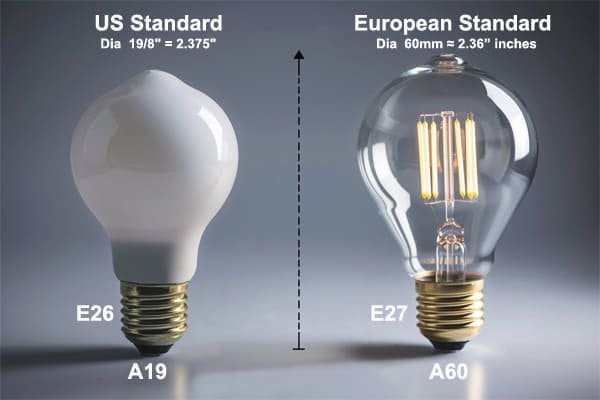
The US measures bulb diameter in eighths of an inch. Europe measures diameter in millimeters. An A19 bulb in the US is roughly the same physical size as an A60 bulb in Europe, but the base types often differ.
I deal with clients from North America and Europe every week. The biggest confusion happens during the transition between these two markets. You might think an "Edison screw" is the same everywhere. It is not. The naming convention differences are actually a warning sign for physical differences.
Let's look at the math. In the US, an A19 bulb means the diameter is 19/8 inches. This equals 2.375 inches. In Europe, the equivalent bulb is the A60. The "60" stands for 60 millimeters. If you convert 60mm to inches, it is roughly 2.36 inches. The glass size is almost identical.
However, the real danger lies in the base.
- US Standard: E26 (26mm diameter screw base).
- European Standard: E27 (27mm diameter screw base).
An E26 bulb can usually fit into an E27 socket because it is slightly smaller. But an E27 bulb will often jam or not fit into an E26 socket. Also, the voltage is different. US bulbs run on 120V. European bulbs run on 220-240V. If you plug a 120V US bulb into a European socket, it will blow out instantly.
Here is a quick reference for the common cross-market equivalents that I see in our factory orders:
| US Name (1/8 inch) | Europe Name (mm) | Description | Base Difference |
|---|---|---|---|
| A19 | A60 | Standard Household Bulb | E26 vs E27 |
| B11 | C35 | Candelabra / Decorative | E12 vs E14 |
| G40 | G125 | Large Globe (Decorative) | E26 vs E27 |
| C7 | B19 | Festive / Night Light | E12 vs E14 |
You must pay attention to the "C" type specifically. In the US, C7 and C9 are standard for Christmas strings. In Europe, they often request E14 base bulbs for similar applications. When we manufacture string lights at Mikoray, we always ask the customer for the destination country first. This prevents the disaster of receiving 10,000 bulbs that do not fit local fixtures.
Connecting the Dots: Why This Matters for Your Business?
You want satisfied customers and low return rates. Confusing labels lead to returns and complaints. We must avoid this to protect your margins.
Understanding these codes prevents costly ordering mistakes. It helps you source the right OEM products and positions you as a trusted expert to your downstream clients.

I remember a conversation with a client named Chris. He runs a mid-sized seasonal lighting brand in the USA. He is very detail-oriented. He once told me about a bad experience with a previous supplier. He ordered "Standard Globe Lights" for a commercial wedding venue project. He assumed this meant G40 bulbs. The supplier sent G50 bulbs. The bulbs were too big for the decorative cages the venue had already installed. Chris had to rush air-freight the correct bulbs, which destroyed his profit for that quarter.
This is why exact naming matters. It is not just about the glass shape. It is about the entire ecosystem of your product.
- Compliance: You need UL certification for the US market. The UL report will list the specific bulb type (e.g., S14 or ST38). If your packaging says something different, customs can seize your goods.
- Waterproofing: We sell IP65 waterproof outdoor strings. The bulb shape must seal perfectly with our patented sockets. If you order a generic replacement bulb that is named incorrectly, it might not seal. Water gets in. The string fails. Your customer leaves a one-star review.
- Communication: When you speak to us about OEM manufacturing, using the right code (like "ST38 with E12 base") speeds up the molding and sample process.
We treat these codes as the blueprint for your product quality. We inspect the diameter and base of every C7, C9, and S14 bulb on our automated lines. We ensure they meet the strict tolerance required for the name they carry.
In Summary: Decoding the World of LED Bulbs?
Lighting technology changes fast. You cannot afford to stay behind on terminology or rely on guesses. Let's wrap up what we learned.
Mastery of bulb naming ensures you order the correct shape, size, and voltage. It bridges the gap between manufacturing specifications and your customer's actual needs.
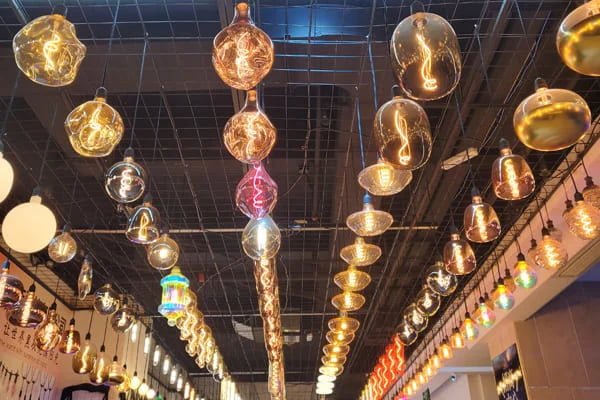
I want you to feel confident when you browse our catalog or discuss a custom order. You now know that the letter is the shape and the number is the size. You know that an A19 is for a US home, and an A60 is for a European home. You know that a G40 is a globe shape often used in the patio lights we manufacture.
When you work with a manufacturer like Mikoray, we handle the heavy lifting of compliance and production. But your knowledge of these codes helps us collaborate better. It helps you define your product requirements clearly.
We can customize the filament look inside an ST64 bulb. We can adjust the color temperature of a C9 bulb. But it all starts with getting the name right.
I encourage you to look at your current inventory. Check the codes. Do they match what your customers need? If you are planning for the next holiday season, use these codes to specify exactly what you want. We are here to build that exact specification for you.
Conclusion
LED naming uses a Letter (Shape) and Number (Size) system. Understanding US versus European codes prevents errors, ensures safety compliance, and guarantees your customers receive the correct lighting solutions.